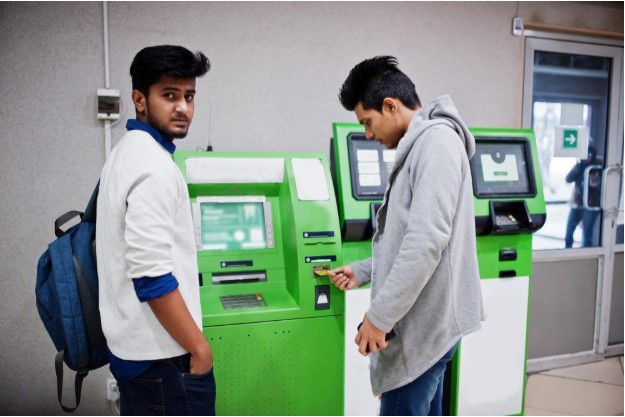

In an increasingly digital and fast-paced world, customers expect uninterrupted access to essential banking services at any time of the day. Traditional banking hours no longer align with the needs of modern consumers who require flexibility and convenience. This is where ATM services play a vital role, ensuring that individuals can access cash and perform key transactions beyond standard branch hours. By offering round-the-clock functionality, ATMs bridge the gap between customer expectations and service availability. Their widespread presence and evolving capabilities make them a cornerstone of accessible and reliable banking infrastructure.
Expanding Banking Access Beyond Branch Hours
One of the most significant contributions of ATM services is their ability to extend banking access beyond the limitations of physical branch timings. Customers no longer need to rely on bank schedules to withdraw cash or check account balances.
This flexibility is especially beneficial for individuals with busy lifestyles or those living in areas where bank branches are not easily accessible. ATMs provide a dependable solution that ensures essential banking functions are always within reach.
Enhancing Convenience For Everyday Transactions
Convenience is a key factor driving customer satisfaction in the banking sector. ATM services simplify everyday transactions by allowing users to perform multiple tasks quickly and efficiently.
From cash withdrawals to mini statements and fund transfers, ATMs offer a range of services that reduce the need for in-branch visits. This ease of use contributes to a smoother banking experience and saves valuable time for customers.
Supporting Financial Inclusion In Remote Areas
Access to banking services is not always uniform across regions. In rural or underserved areas, traditional banking infrastructure may be limited. ATM services help bridge this gap by providing essential financial access where it is needed most.
By deploying ATMs in remote locations, financial institutions can reach a broader audience and promote financial inclusion. This ensures that more people can participate in the formal banking system.
Improving Operational Efficiency For Banks
Banks benefit significantly from the implementation of ATM services, as they help reduce the workload on physical branches. Routine transactions can be handled by ATMs, allowing bank staff to focus on more complex customer needs.
This redistribution of tasks improves operational efficiency and enables banks to serve customers more effectively. It also reduces congestion in branches, enhancing the overall customer experience.
Strengthening Security And Reliability
Modern ATMs are equipped with advanced security features that ensure safe and reliable transactions. ATM services incorporate technologies such as encryption, secure authentication, and surveillance systems.
These measures protect customer data and reduce the risk of fraud. Continuous monitoring and regular maintenance further enhance the reliability of ATM networks, ensuring consistent performance.
Enabling Seamless Integration With Digital Banking
As digital banking continues to grow, ATM services have evolved to complement online and mobile platforms. Many ATMs now support cardless transactions, QR-based withdrawals, and integration with mobile banking apps.
This seamless integration allows customers to move effortlessly between digital and physical banking channels. It enhances convenience and ensures a cohesive banking experience.
Facilitating Emergency Access To Funds
Emergencies can arise at any time, making immediate access to funds essential. ATM services provide a reliable solution by ensuring that cash is available whenever it is needed.
Whether it is a medical emergency or an unexpected expense, ATMs offer a dependable way for customers to access their money quickly and securely. This reliability adds significant value to the banking system.
Conclusion
ATM services have become an essential component of modern banking, providing unmatched accessibility and convenience for customers around the clock. Their ability to support a wide range of transactions while maintaining security and reliability makes them indispensable in today’s financial landscape. Integrating solutions such as a payment terminal further enhances the overall banking ecosystem, enabling seamless transactions and improving the efficiency of financial services for both individuals and businesses.